

The Pillars of Islam are the five essential acts of worship that structure a Muslim’s spiritual life. They combine belief with disciplined action, shaping character, strengthening faith, and nurturing a deep connection with Allah. These pillars are not isolated rituals but a complete system guiding daily living, social responsibility, and personal growth. Through declaration, prayer, charity, fasting, and pilgrimage, Muslims cultivate sincerity, gratitude, humility, and unity. Each pillar reinforces submission to Allah while encouraging compassion and moral excellence within society. Together, they form a balanced spiritual framework that develops both the heart and actions of a believer, ensuring faith is practiced consistently and meaningfully throughout life.
The declaration of faith affirms belief in the Oneness of Allah and the prophethood of Muhammad ﷺ. It defines identity, purpose, and commitment to divine guidance in every aspect of life.
The five daily prayers strengthen discipline and maintain constant connection with Allah. Prayer purifies the heart and reminds believers of their ultimate purpose.
Obligatory charity purifies wealth and supports the needy. It fosters generosity, compassion, and social responsibility within the community.
Fasting in Ramadan builds patience, gratitude, and self-control. It strengthens spiritual awareness and empathy for others.
The pilgrimage to Makkah unites Muslims globally in worship, equality, and humility before Allah.
The Pillars of Eeman represent the core beliefs that shape a Muslim’s inner faith. While Islam focuses on outward actions, Eeman strengthens the heart through conviction and certainty. These six beliefs guide understanding of creation, revelation, destiny, and accountability. They cultivate trust in Allah, hope in His mercy, and awareness of the Hereafter. By believing in Allah, His angels, His books, His messengers, the Last Day, and divine decree, a believer develops spiritual resilience and unwavering trust in divine wisdom.
Recognizing Allah’s oneness, perfection, and authority builds love, trust, and complete reliance upon Him.
Belief in angels strengthens awareness that deeds are recorded and encourages mindfulness.
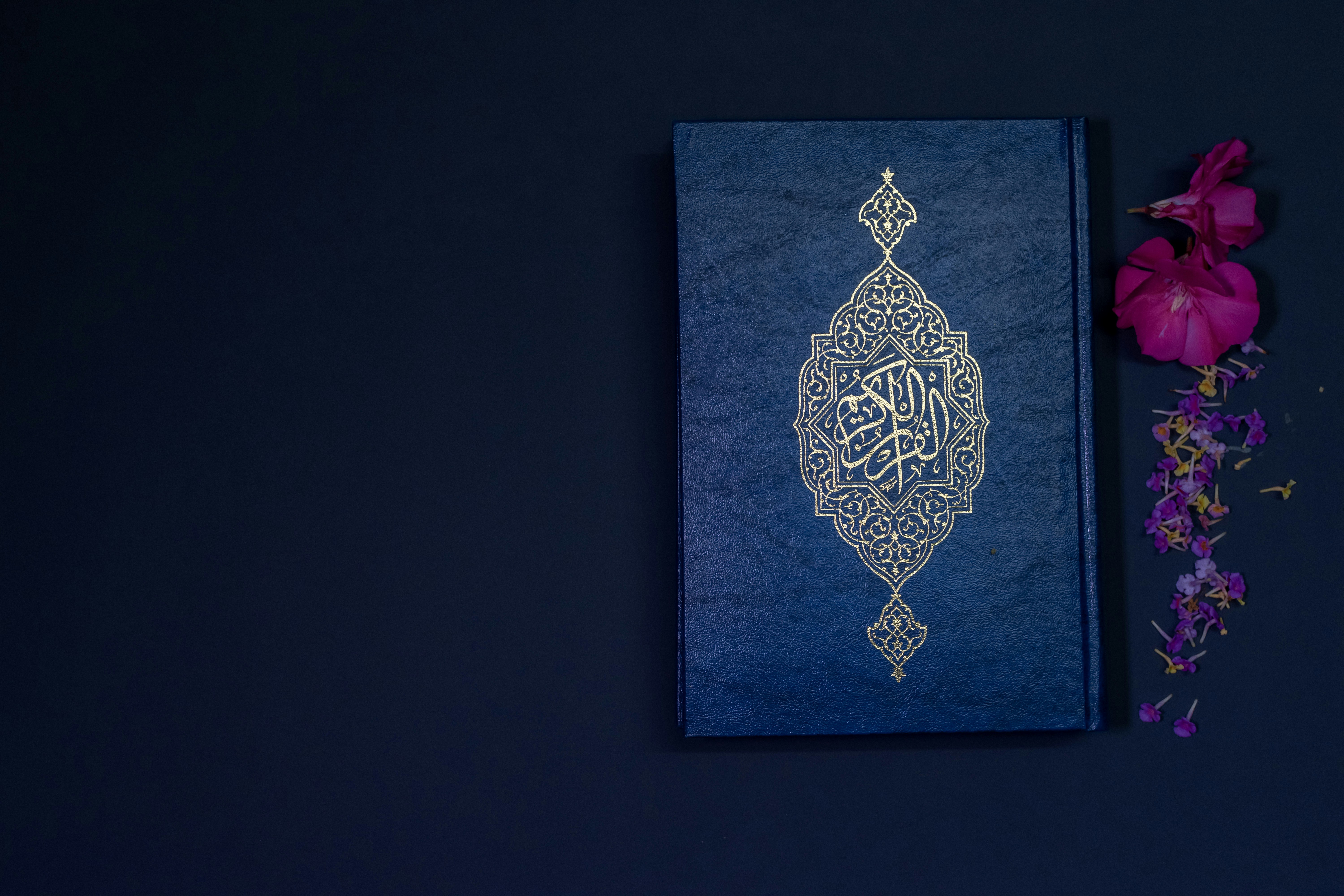
Faith in revealed scriptures confirms Allah’s guidance for humanity, culminating in the Qur’an.
Prophets delivered the message of monotheism and serve as role models of righteousness.
Belief in resurrection and judgment promotes accountability and moral living.
Trusting Allah’s decree brings patience during hardship and gratitude during ease.